2024 Chevrolet Express Cutaway vs. 2024 Chrysler Pacifica
Navigating the world of minivans and commercial vans can be a daunting task, especially when faced with two compelling options like the 2024 Chevrolet Express Cutaway and the 2024 Chrysler Pacifica. While both vehicles offer practicality and versatility, they cater to distinct needs and preferences. In this comprehensive comparison, we'll delve into the intricacies of each model, highlighting their strengths, weaknesses, and suitability for various applications.
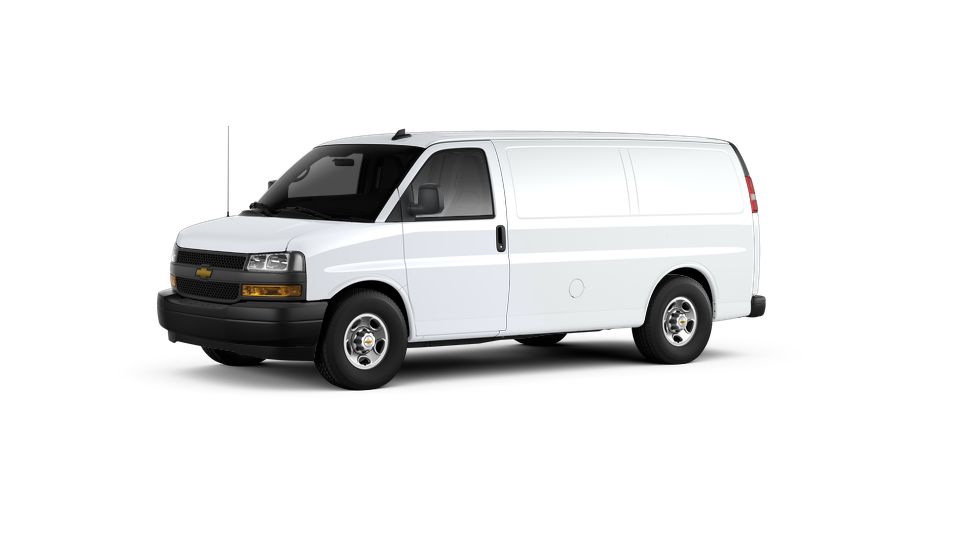
The Chevrolet Express Cutaway exudes a rugged and utilitarian aesthetic, with its boxy silhouette and tall stance. Its design is primarily focused on functionality, prioritizing cargo space and easy access to the interior. The Chrysler Pacifica, in contrast, embraces a more refined and stylish exterior, featuring sleek lines, sculpted curves, and a modern fascia. Its design prioritizes passenger comfort and curb appeal.
The Chevrolet Express Cutaway's interior reflects its utilitarian nature, with a focus on practicality and durability. The cabin is spacious and configurable, offering ample cargo space and seating for up to 15 passengers. However, the interior materials and finishes are basic and lack the refinement found in the Chrysler Pacifica.
The Chrysler Pacifica's interior prioritizes comfort and convenience, featuring premium materials, soft-touch surfaces, and a plethora of amenities. The cabin is designed to accommodate up to eight passengers, with ample legroom and headroom for all occupants. The Pacifica also boasts a user-friendly infotainment system and advanced technology features.
The Chevrolet Express Cutaway offers a range of powerful and efficient engines, catering to various cargo and towing needs. The base engine is a 4.3L V6, while options include a 6.0L V8 and a 2.8L Duramax turbo-diesel engine. The Express Cutaway's rear-wheel-drive layout provides excellent traction and stability when hauling heavy loads.
The Chrysler Pacifica is powered by a fuel-efficient 3.6L V6 engine that delivers a balance of power and economy. The Pacifica also offers a plug-in hybrid version that provides an electric range of up to 32 miles, making it an eco-friendly choice for commuters. The Pacifica's front-wheel-drive layout prioritizes comfort and maneuverability in urban environments.
The Chevrolet Express Cutaway reigns supreme in the cargo space department, offering up to 464 cubic feet of cargo volume. This vast space makes it ideal for hauling large quantities of cargo, equipment, or passengers. The Express Cutaway's flexible interior configuration allows for various seating and cargo arrangements, making it adaptable to diverse needs.
The Chrysler Pacifica offers a respectable 140.5 cubic feet of cargo space with the rear seats folded down. This space is sufficient for everyday family needs, such as groceries, luggage, or sports equipment. The Pacifica's Stow 'n Go seating system allows for quick and easy conversion between passenger and cargo configurations.
Both the Chevrolet Express Cutaway and the Chrysler Pacifica offer a comprehensive suite of standard safety features, including airbags, anti-lock brakes, and electronic stability control. The Pacifica goes a step further, offering advanced safety features like blind-spot monitoring, rear cross-traffic alert, and adaptive cruise control.
The Chevrolet Express Cutaway is available in three trims: the base LS, the mid-range LT, and the top-of-the-line LTZ. Each trim offers a progressive level of features and amenities, catering to various budgets and needs.
The Chrysler Pacifica offers four trims: the Touring, the Touring-L, the Limited, and the Pinnacle. Each trim builds upon the previous one, providing increasing levels of luxury, technology, and convenience.
The Chevrolet Express Cutaway emerges as the victor in this comprehensive comparison, catering to businesses and individuals seeking a robust and versatile commercial van. Its cavernous cargo space, powerful engines, and configurable interior make it ideal for hauling large loads, transporting passengers, or customizing for specific work needs.